
Corporate Intelligence Indonesia: Identifying Business Risks Before Investment
Before entering a new market or evaluating a potential business partner, investors need more than a promising proposal. As a result, corporate intelligence helps investors assess commercial, operational, regulatory, and reputational risks before committing capital in Indonesia.
Structured research. Risk-aware decisions. A clearer view of the Indonesian business environment.

Better investment decisions begin with better information.
What corporate intelligence covers
Corporate intelligence in Indonesia is a structured process of collecting, assessing, and interpreting relevant business information to help investors understand a potential investment, commercial partner, or market opportunity. In particular, it supports decision-making by identifying material risks, information gaps, and issues that may require further investigation.
For international companies, the process may therefore include market analysis, company background checks using lawful sources, ownership and relationship mapping where information is available, reputational research, competitive analysis, and regulatory risk screening. However, the appropriate scope depends on the transaction, sector, and information that can legitimately be obtained.
How intelligence supports decisions
AMED's international business consulting approach is designed to help clients frame the right questions, evaluate available evidence, and connect business risks with practical decisions. Ultimately, the objective is not to eliminate all uncertainty, but to make important assumptions, potential exposures, and next steps clearer before an investment proceeds.
Investors should understand the target company's identity and ownership, financial and operational position, relevant regulatory obligations, reputation, market conditions, contractual commitments, and the reliability of information provided by counterparties. Therefore, findings should be verified proportionately to the investment's value and risk.
Distinguish documented facts, reasonable interpretations, and information that remains unverified.
Interpret findings in light of the industry, transaction structure, and local business environment.
Define the engagement scope and handle information responsibly within applicable legal requirements.
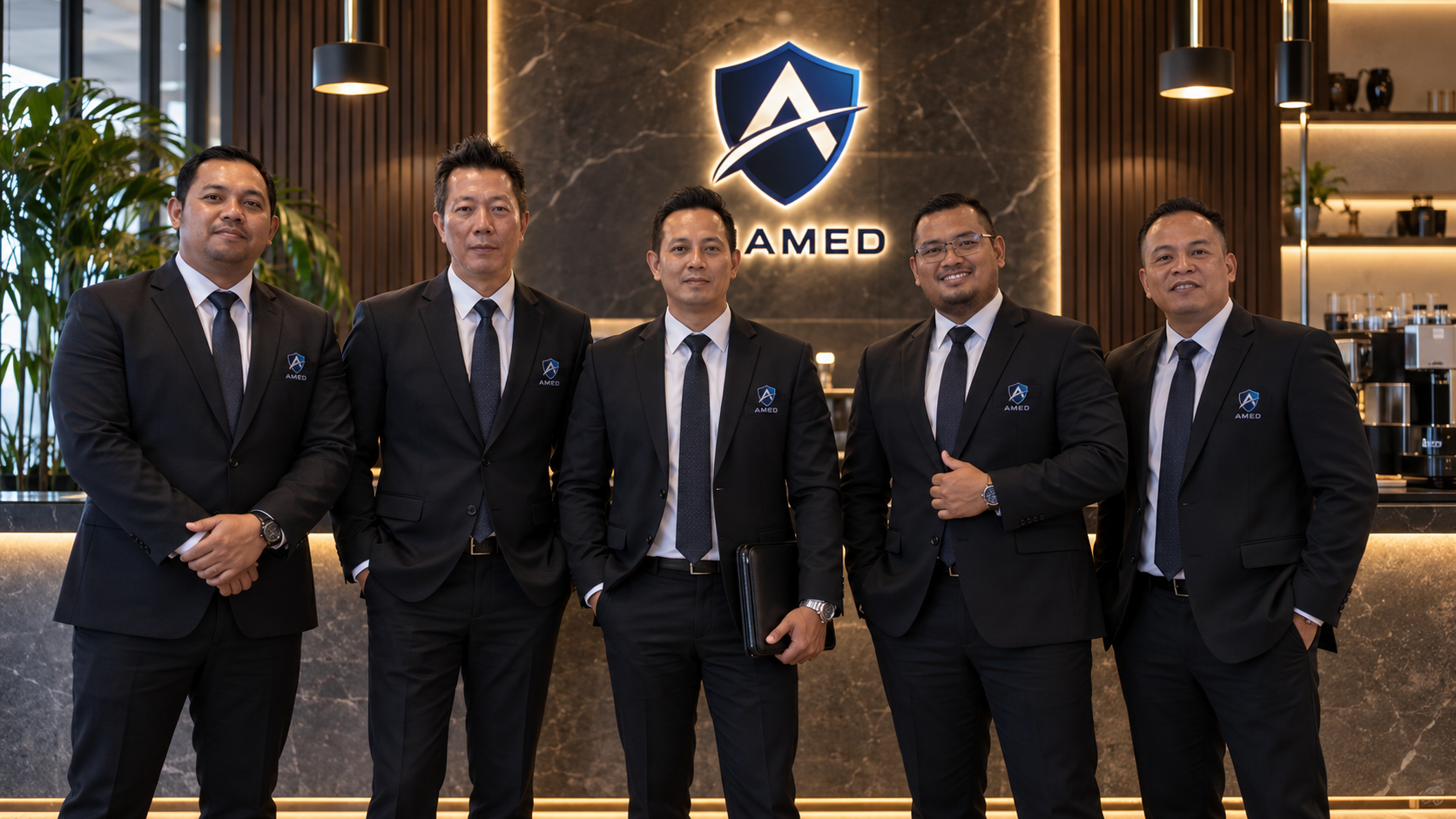
Investment decisions benefit from a broader understanding of the commercial, operational, and external environment.
Identify material risks before they become costly problems.
At first, a business opportunity may appear attractive while important details remain unclear. Ownership structures may be complex, commercial claims may lack independent support, or a proposed partnership may depend on assumptions about licensing, supply chains, or market demand. Nevertheless, these gaps do not automatically indicate wrongdoing. Instead, they deserve proportionate review before a decision is made.
Compare material statements against available company records, credible sources, and relevant supporting documentation.
Evaluate market assumptions, competitive conditions, customer concentration, supplier dependencies, and operational constraints.
Determine which licensing, ownership, contractual, and sector-specific obligations require specialist verification.
Translate relevant findings into follow-up questions, mitigation options, and clear decision points.
Six areas to assess before committing capital.
Moreover, effective corporate intelligence considers how different risk categories interact. However, not every investment requires the same level of investigation. Consequently, the review should be tailored to the transaction, sector, exposure, and decision deadline.
Company Background and Ownership
Review the target entity's identity, available corporate records, reported ownership, management, related entities, and material inconsistencies. Escalate unresolved ownership questions for further verification where appropriate.
Financial and Commercial Exposure
Examine available financial information, revenue assumptions, liabilities, payment practices, contractual dependencies, and indicators that require independent accounting or financial due diligence.
Reputational and Integrity Risks
Assess relevant public information, credible reporting, litigation disclosures where accessible, and potential conflicts of interest. Distinguish verified facts from allegations and unconfirmed claims.
Legal and Regulatory Considerations
Identify sector-specific licensing, investment restrictions, ownership conditions, and compliance questions that may require review by qualified Indonesian legal, tax, or regulatory professionals.
Market and Competitive Position
Test assumptions about customer demand, competitors, pricing, distribution, supply chains, and local operating conditions before relying on a proposed market-entry strategy.
Operational and Partner Dependencies
Consider supplier reliability, delivery capability, key-person dependencies, business continuity, and the practical ability of a prospective partner to fulfil its stated commitments.
Know what to verify, and why it matters.
Although corporate intelligence and investment due diligence are related, they are not identical. For example, intelligence can help identify questions, relationships, risk indicators, and information gaps. By contrast, formal due diligence examines specific legal, financial, technical, tax, or operational matters in greater depth.
Therefore, the strongest approach connects both activities to the actual investment decision instead of collecting information without a clear purpose.
1. Define the investment thesis
Clarify the business objective, expected return drivers, critical assumptions, transaction structure, and conditions that would change the investment decision.
2. Establish the facts
Identify reliable sources, review available documentation, check relevant corporate information, and record gaps that cannot yet be resolved.
3. Prioritise material risks
Assess potential impact, likelihood where reasonably supportable, urgency, and the degree of uncertainty surrounding each finding.
4. Obtain specialist verification
Refer material financial, legal, tax, technical, or regulatory questions to appropriately qualified professionals when the engagement requires it.
5. Connect findings to action
Determine whether to proceed, request further evidence, renegotiate terms, introduce safeguards, defer the decision, or decline the opportunity.
Intelligence-led support for business decisions in Indonesia.
Accordingly, depending on the agreed scope and available information, AMED can discuss consulting requirements across market understanding, business risk identification, and investment preparation. In addition, each engagement should have clearly defined objectives, deliverables, and limitations.
Market Intelligence and Entry Assessment
Understand industry conditions, competitor positioning, commercial assumptions, potential barriers to entry, and questions to resolve before launching in Indonesia.
Business Partner Risk Review
Structure a review of prospective partners using lawfully available records, relevant public information, and supporting evidence appropriate to the engagement.
Investment Risk Mapping
Organise material commercial, operational, reputational, and external risks into a decision-oriented framework for investors and management teams.
Business Strategy and Feasibility
Examine business-model assumptions, potential operating constraints, market positioning, and strategic options before resources are committed.
Regulatory Risk Coordination
Identify regulatory questions relevant to the proposed activity and coordinate specialist input where legal or technical interpretation is required.
Risk Findings and Action Planning
Organise findings, outstanding questions, evidence limitations, and potential mitigation measures to support informed management discussions.
Local context. Clear scope. Responsible conclusions.
Above all, international business decisions require an understanding of both the broader commercial objective and the realities of the local operating environment. Therefore, a structured consulting process helps ensure that the questions being investigated are relevant to the client's decision.
Corporate risk awareness should be proportionate to the organisation's activities, exposure, and operational requirements.
Decision-focused objectives
Define the investment question, relevant parties, expected deliverables, time frame, and boundaries of the assignment before work begins.
Source-aware analysis
Assess the credibility, relevance, recency, and limitations of information before treating a finding as decision-ready.
Responsible information handling
Agree on appropriate access, confidentiality arrangements, permitted research methods, and information-handling expectations.
Clear and qualified findings
Separate confirmed facts, analytical interpretations, unresolved questions, and recommendations for further verification.
Relevant specialist input
Identify when legal, tax, accounting, technical, or other professional expertise is needed beyond the agreed consulting scope.
Practical next steps
Use the findings to prioritise additional checks, clarify contractual questions, and develop proportionate risk responses.
Four stages from business question to informed action.
The process below, for example, is a proposed engagement framework. Accordingly, actual deliverables, research methods, timing, and specialist involvement should be agreed with AMED before the engagement begins.
Understand the Objective
Discuss the proposed investment, key decision-makers, business questions, known concerns, and information already available.
Review Relevant Evidence
Agree on appropriate research sources, verification priorities, risk categories, and the boundaries of the assignment.
Interpret the Findings
Evaluate material information, distinguish facts from assumptions, and identify issues that require additional professional review.
Plan the Next Steps
Discuss the implications, unresolved questions, mitigation options, and additional checks relevant to the investment decision.
Corporate intelligence in Indonesia: what investors should know.
The following answers explain the purpose, scope, and practical limitations of corporate intelligence for international companies considering investment or business partnerships in Indonesia.
Core concepts and investment risks
What is corporate intelligence in Indonesia?
Corporate intelligence in Indonesia is the structured collection and assessment of relevant business information to identify risks, understand market conditions, and support commercial decisions. Depending on the scope, it may include company background research, partner assessment, market intelligence, reputational screening, and identification of regulatory or operational questions.
Why should investors assess business risks before investing in Indonesia?
Pre-investment risk assessment helps investors test critical assumptions, identify missing evidence, understand potential liabilities, and determine whether further due diligence is necessary. Consequently, it can improve the quality of a decision, although it cannot eliminate uncertainty or guarantee an investment outcome.
What is the difference between corporate intelligence and due diligence?
Corporate intelligence helps build an informed picture of a company, market, or potential risk. Due diligence typically involves a more defined examination of specific legal, financial, tax, technical, or operational matters. As a result, intelligence findings can help determine where deeper due diligence should focus.
What risks should foreign investors review before entering Indonesia?
Relevant areas may include company ownership and structure, financial exposure, market demand, partner reliability, contractual obligations, sector-specific licensing, regulatory compliance, supply-chain dependencies, and reputation. However, the priority of each area depends on the industry, investment structure, and intended business activity.
Partner verification and professional support
Can corporate intelligence verify an Indonesian business partner?
A properly scoped review can examine available corporate records, supporting documentation, relevant public information, and consistency between material claims. However, verification depends on access to reliable information and the applicable legal boundaries. Therefore, a review should clearly identify what was verified and what remains uncertain.
Does corporate intelligence replace legal or financial due diligence?
No. Although corporate intelligence can help identify questions and prioritise further checks, it does not replace specialist legal advice, an independent financial audit, tax review, technical assessment, or other formal due diligence when these are required for the transaction.
How can international companies discuss corporate intelligence requirements with AMED?
International companies can contact AMED through the AMED contact page to outline their investment objectives, target market, proposed business relationship, key concerns, and decision timeline. Next, the appropriate scope, deliverables, and any specialist requirements can be discussed before an engagement is agreed.
Considering an investment in Indonesia? Start with the right questions.
Discuss your market-entry plans, potential business partnerships, or investment risk concerns with AMED. Then, establish the scope of support needed to evaluate your opportunity with greater clarity.
This page provides general business information and is not legal, tax, investment, accounting, or financial advice. Corporate intelligence findings depend on the scope of work, source reliability, information access, and applicable laws. No research process can guarantee the identification of every risk or a successful investment outcome. Specific engagements, deliverables, and professional responsibilities should be agreed in advance.