
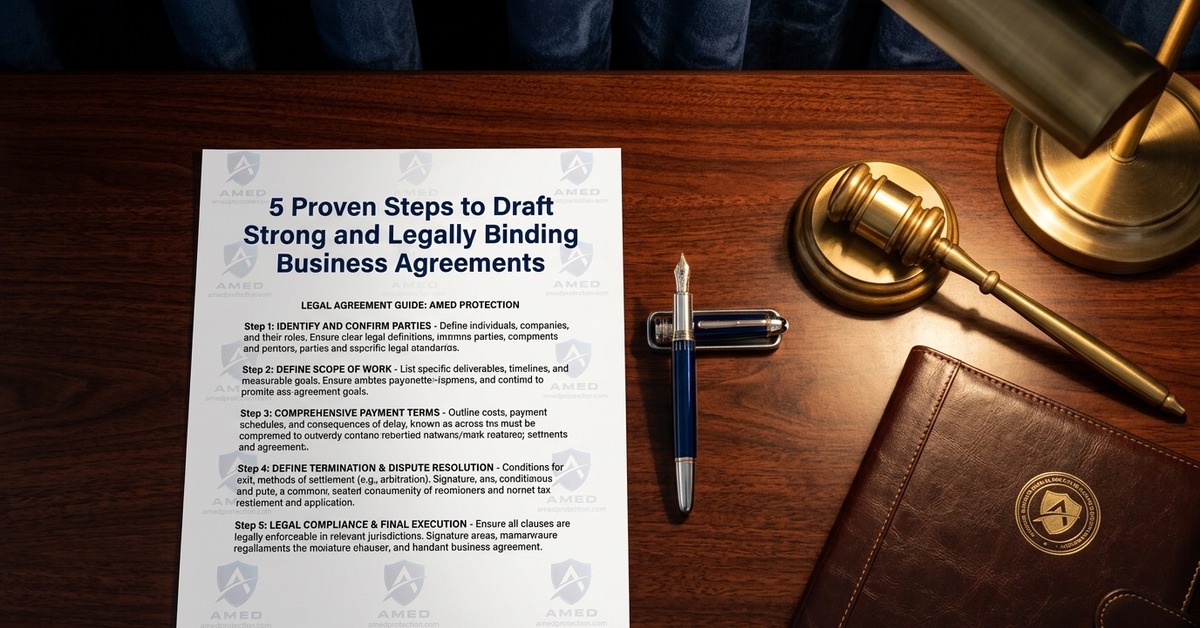
How to Draft Strong and Legally Binding Business Agreements
Legally binding business agreements are the backbone of any successful corporate venture in Indonesia. For foreign investors and expatriates, a well-drafted contract is not just a formality—it is a shield against disputes, regulatory pitfalls, and financial losses. This article provides a comprehensive guide to drafting agreements that hold up in Indonesian courts, protect your interests, and ensure smooth operations in one of Southeast Asia’s most dynamic markets.
Why Legally Binding Business Agreements Matter in Indonesia
Indonesia operates under a civil law system, heavily influenced by Dutch colonial heritage. Unlike common law jurisdictions, the Indonesian legal framework places great emphasis on written agreements that comply with statutory requirements. A contract that fails to meet these standards may be deemed void or unenforceable, leaving your business exposed.
Foreign investors often face unique challenges—language barriers, cultural differences in negotiation, and unfamiliarity with local regulations. Without a robust agreement, disputes over payment terms, intellectual property rights, or partnership obligations can escalate quickly. This is where legally binding business agreements become your first line of defense.
Moreover, the Indonesian government requires specific licenses and permits for foreign-owned companies (PT PMA). Your agreements must align with these regulatory frameworks to avoid administrative sanctions. For instance, a joint venture agreement must explicitly define the roles, capital contributions, and profit-sharing mechanisms in accordance with the Investment Law.
For this reason, many foreign companies choose to conduct a Business Consultation before drafting any agreement. AMED’s experts help you understand the regulatory landscape and tailor contracts to your specific needs.
Key Elements of a Legally Binding Business Agreement
To be enforceable under Indonesian law (Kitab Undang-Undang Hukum Perdata/Burgerlijk Wetboek), a contract must contain four essential elements: agreement between parties, legal capacity of parties, a specific subject matter, and a lawful cause. Beyond these basics, a strong agreement should include:
- Clear Identification of Parties: Full legal names, addresses, and company registration numbers (NIB).
- Scope of Work or Deliverables: Detailed description of obligations, timelines, and quality standards.
- Payment Terms: Amount, currency, payment schedule, and late payment penalties.
- Confidentiality Clause: Protection of trade secrets and sensitive information.
- Dispute Resolution Mechanism: Choice of arbitration (e.g., BANI) or litigation in Indonesian courts.
- Governing Law: Explicitly state that Indonesian law governs the contract.
- Force Majeure: Events beyond control that excuse performance (natural disasters, pandemics, government actions).
- Termination Clause: Conditions under which the contract can be ended, including notice periods.
Why Each Element Matters
Missing a single clause can create loopholes. For example, without a clear dispute resolution clause, a disagreement over delivery dates could end up in a court that is inconvenient or expensive for you. Similarly, a poorly defined scope of work often leads to “scope creep,” where one party demands additional services without additional payment.
Foreign investors must also consider the language of the contract. While English is commonly used, having a bilingual version (English and Indonesian) is strongly recommended. In case of conflict, the Indonesian version typically prevails in court. Always have your agreement reviewed by a native Indonesian speaker with legal expertise.
Step-by-Step Drafting Process
Step 1: Conduct Due Diligence
Before drafting any agreement, you must verify the legal status and reputation of your potential partner. This is where Business Investigation services become invaluable. AMED can conduct background checks, financial analysis, and site visits to ensure your counterpart is legitimate and reliable.
Due diligence should cover: company registration, tax compliance, litigation history, and ownership structure. In Indonesia, many businesses operate under nominee arrangements or have complex ownership chains. Uncovering these risks early prevents future disputes.
Step 2: Define Objectives and Terms
Work with your legal advisor to outline the commercial objectives of the agreement. What are the key performance indicators? What happens if milestones are missed? This step ensures that the contract reflects your business goals, not just legal boilerplate.
Step 3: Draft and Review
Your legal team should prepare a first draft that includes all essential clauses. Then, conduct an internal review involving stakeholders from finance, operations, and management. This cross-functional review catches inconsistencies and operational impracticalities.
Step 4: Negotiate and Revise
Negotiation is a normal part of the process. Focus on key risk areas: liability caps, indemnification, and termination rights. Avoid rushing—each revision should be documented and approved by all parties. For complex agreements, consider using a memorandum of understanding (MOU) first to align expectations.
Step 5: Execute and Notarize
In Indonesia, certain contracts (e.g., those involving land rights or company formation) must be notarized to be legally binding. Even for other agreements, notarization adds an extra layer of authenticity and can simplify enforcement. Ensure all parties sign in the presence of a notary public.
Common Mistakes to Avoid
- Using Generic Templates: Indonesian law has specific requirements that generic templates often miss. Always customize.
- Ignoring Regulatory Approvals: Some agreements require approval from ministries (e.g., BKPM for foreign investment). Failing to obtain these can void the contract.
- Overlooking Dispute Resolution: Many foreign investors assume they can sue in their home country. Indonesian courts typically require local jurisdiction.
- Poor Translation: A mistranslated clause can change the meaning entirely. Use certified translators.
- Skipping Due Diligence: Rushing into an agreement without verifying your partner’s credentials is a recipe for disaster.
To minimize business disputes with partners, it is critical to embed clear communication and review mechanisms within the contract itself. Regular audits and performance reviews help identify issues early.
Dispute Resolution and Enforcement
Even the best-drafted agreement may face a dispute. Indonesian law offers several avenues for resolution:
- Negotiation: The first step—parties attempt to resolve amicably.
- Mediation: A neutral third party facilitates discussion. Mediation is non-binding but often preserved before arbitration.
- Arbitration: Preferred by foreign investors. BANI (Badan Arbitrase Nasional Indonesia) is the leading institution. Arbitration awards are enforceable under the New York Convention.
- Litigation: Court proceedings can be time-consuming and unpredictable. Commercial courts exist but are less common for international disputes.
When drafting your agreement, specify the arbitration institution and seat (e.g., Jakarta). Also, include a clause on the language of proceedings—English is allowed in BANI arbitration.
For foreign investors, one of the biggest risks is the enforcement of foreign judgments. Indonesian courts do not automatically recognize foreign court judgments. Therefore, arbitration is almost always the better choice for cross-border agreements.
To further protect your interests, consider integrating corporate protection strategies into your overall risk management framework. This includes regular compliance audits and legal health checks.
Frequently Asked Questions
What makes a business agreement legally binding in Indonesia?
For a contract to be legally binding under Indonesian law, it must meet four conditions: mutual consent, legal capacity of the parties, a specific subject matter, and a lawful cause. Additionally, certain agreements require notarization and registration with government authorities.
Can I use an English-language contract in Indonesia?
Yes, but it is highly recommended to have a bilingual version (English and Indonesian). In legal disputes, the Indonesian version usually prevails. Always have the translation certified by a sworn translator.
How long does it take to draft a business agreement?
The timeline varies based on complexity. A simple service agreement may take 1-2 weeks, while a joint venture or shareholder agreement can take 4-8 weeks, including due diligence and negotiations.
What should I do if my partner breaches the contract?
First, review the dispute resolution clause in your agreement. Attempt negotiation or mediation. If that fails, proceed to arbitration or litigation as specified. Preserve all evidence of the breach.
Do I need a local lawyer to draft my contract?
Yes, absolutely. Indonesian contract law has unique requirements that foreign lawyers may not fully understand. A local lawyer with experience in cross-border transactions is essential for legally binding business agreements.
Drafting legally binding business agreements in Indonesia requires more than just filling in a template. It demands a deep understanding of local laws, cultural nuances, and regulatory frameworks. The Business Consultation team at AMED is ready to help you create contracts that protect your investment and ensure smooth operations. Schedule a consultation now to discuss your specific needs.