
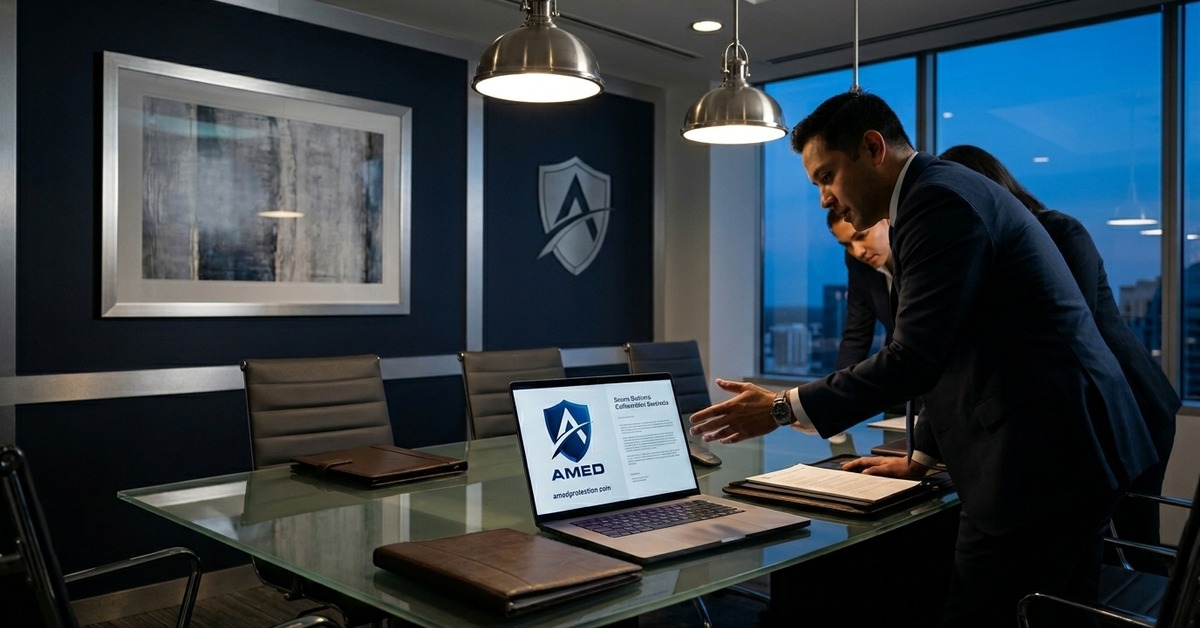
A Guide to Secure Business Collaboration Contracts
In today’s interconnected corporate landscape, partnerships and collaborations are vital for growth. However, without proper safeguards, these alliances can expose your organization to significant risks. This guide provides a comprehensive framework to secure business collaboration contracts, ensuring that your corporate assets, reputation, and operational integrity remain protected. Whether you are a director of a multinational corporation or a security head in Indonesia, understanding the nuances of contract security is paramount for sustainable success.
Understanding the Importance of Secure Business Collaboration Contracts
Every business collaboration introduces a degree of risk. From intellectual property theft to financial fraud, the vulnerabilities are numerous. A secure business collaboration contract serves as the first line of defense, establishing clear terms, responsibilities, and consequences. It is not merely a legal formality but a strategic tool for corporate protection. In Indonesia, where regulatory environments can be complex, a well-structured contract mitigates misunderstandings and provides a foundation for dispute resolution. By prioritizing security in your contracts, you demonstrate a commitment to risk management and long-term stability.
Key Elements of a Secure Business Collaboration Contract
To effectively secure business collaboration contracts, you must incorporate several critical components. Each element addresses a specific risk area, from operational control to data security.
1. Clear Definition of Scope and Objectives
Ambiguity is the enemy of security. Every contract must explicitly define the collaboration’s purpose, deliverables, timelines, and boundaries. This clarity prevents scope creep and ensures all parties are aligned. For example, if your collaboration involves sharing sensitive corporate data, the contract should specify exactly what data is shared, for what purpose, and for how long. This reduces the risk of unauthorized use and strengthens business asset protection.
2. Robust Confidentiality and Non-Disclosure Clauses
Confidentiality is non-negotiable. A secure business collaboration contract must include comprehensive non-disclosure agreements (NDAs) that protect trade secrets, client lists, and proprietary processes. These clauses should outline the duration of confidentiality, permitted disclosures, and penalties for breaches. In Indonesia, where intellectual property enforcement can be challenging, explicit confidentiality terms are essential for corporate security.
3. Intellectual Property Ownership and Licensing
Collaborations often generate new intellectual property (IP). Without clear agreements, ownership disputes can arise, jeopardizing your competitive advantage. Your contract should specify who owns pre-existing IP, who owns newly created IP, and under what terms it can be used. This is a cornerstone of risk management in any partnership. Consider including provisions for patent filings, copyrights, and trademarks to ensure your innovations remain protected.
4. Data Protection and Cybersecurity Requirements
With the rise of digital collaboration, data security is paramount. Your contract must mandate compliance with relevant data protection laws, such as Indonesia’s Personal Data Protection Law (UU PDP). Require your partner to implement specific cybersecurity measures, such as encryption, access controls, and incident response plans. This not only secure business collaboration contracts but also protects your stakeholders from data breaches.
5. Performance Metrics and Audit Rights
To ensure accountability, include measurable performance indicators and the right to conduct audits. This allows you to verify that your partner is meeting contractual obligations, especially regarding security protocols. Regular audits can uncover vulnerabilities early, enabling proactive corporate protection measures. For instance, a clause allowing unannounced security inspections can deter negligent behavior.
6. Termination and Exit Strategies
No one enters a collaboration expecting failure, but prudent planning requires a clear exit strategy. Your contract should outline conditions for termination, notice periods, and the handling of shared assets upon dissolution. This includes the return or destruction of confidential information. A well-defined exit plan minimizes disruption and protects your business assets even when partnerships end.
Due Diligence: The Foundation of Secure Contracts
Before signing any agreement, thorough due diligence is essential. This process verifies the credibility and security posture of your potential partner. For a secure business collaboration contract, due diligence should include financial background checks, legal compliance reviews, and reputation assessments. In the context of Indonesia, consider engaging a private investigation firm to uncover any hidden risks, such as ties to illicit activities or past litigation. AMED Corporate Protection offers specialized private investigation services that can provide you with actionable intelligence, ensuring you partner with trustworthy entities.
Legal and Regulatory Considerations in Indonesia
Operating in Indonesia requires adherence to local laws and regulations. Your secure business collaboration contract must comply with the Indonesian Civil Code, Company Law, and sector-specific regulations. For example, collaborations in the financial sector must meet OJK (Financial Services Authority) requirements, while those involving foreign partners may need to navigate investment laws. Engaging a local legal expert is advisable to avoid pitfalls. Furthermore, consider incorporating arbitration clauses that specify dispute resolution in Indonesian courts or through BANI (Indonesian National Arbitration Board). This ensures that legal remedies are enforceable within the jurisdiction.
Role of Corporate Security in Contract Management
Corporate security teams play a pivotal role in ensuring that contracts are not just documents but operational safeguards. They should be involved in the contract drafting process to identify security risks, such as unauthorized access to facilities or data. For secure business collaboration contracts, security heads can recommend physical security measures, like restricted areas for partner personnel, and digital security controls, such as segregated networks. By integrating security into contract management, you create a holistic corporate protection framework that addresses both tangible and intangible assets.
Common Pitfalls and How to Avoid Them
Even experienced business leaders can fall into traps when drafting collaboration contracts. Here are common pitfalls and strategies to avoid them:
- Overlooking Force Majeure Clauses: In unpredictable environments, force majeure clauses protect parties from liability due to unforeseen events. Ensure your contract includes a comprehensive definition that covers pandemics, natural disasters, and political instability.
- Ignoring Indemnification: Without proper indemnification, your company could bear the cost of third-party claims arising from the collaboration. Include mutual indemnification clauses that allocate responsibility fairly.
- Inadequate Dispute Resolution Mechanisms: Relying solely on litigation can be costly and time-consuming. Consider multi-tiered dispute resolution, starting with negotiation, then mediation, and finally arbitration.
- Failure to Update Contracts: Business environments evolve. Regularly review and update your contracts to reflect changes in laws, technologies, or business models. This proactive approach to risk management prevents obsolescence.
Best Practices for Negotiating Secure Contracts
Negotiation is an art that balances assertiveness with collaboration. To secure business collaboration contracts effectively, adopt these best practices:
- Prioritize Security from the Start: Make security a non-negotiable agenda item. Communicate your expectations clearly and be willing to walk away if standards are not met.
- Involve Experts: Bring in legal, security, and financial experts to review the contract. Their specialized knowledge can identify risks that general managers might miss.
- Document Everything: Maintain a clear record of all negotiations, amendments, and communications. This documentation can be invaluable in case of disputes.
- Build in Flexibility: While security is paramount, allow for reasonable adjustments as the collaboration evolves. A rigid contract may stifle innovation or lead to renegotiations.
Technology and Tools for Contract Security
Leveraging technology can enhance the security of your contracts. Consider using contract management software that provides version control, access restrictions, and automated alerts for key dates. Blockchain-based smart contracts are also emerging as a tool for secure business collaboration contracts, offering tamper-proof records and self-executing terms. For corporate security teams, integrating contract data with security information and event management (SIEM) systems can provide real-time monitoring of compliance. AMED Corporate Protection can advise on the best technological solutions tailored to your industry.
Conclusion: Elevate Your Collaboration Security
In an era of increasing complexity and risk, the ability to secure business collaboration contracts is a defining competency for successful organizations. By integrating robust legal clauses, conducting thorough due diligence, and leveraging expert corporate protection services, you can forge partnerships that drive growth without compromising security. Remember, a contract is not just a document—it is a commitment to mutual trust and accountability. Take proactive steps today to safeguard your business assets and reputation. For professional guidance on risk management and private investigation, partner with AMED Corporate Protection. Visit https://amed.co.id to learn how we can help you build secure, resilient collaborations.
Frequently Asked Questions (FAQ)
1. What is the most critical clause in a secure business collaboration contract?
The confidentiality and non-disclosure clause is often the most critical, as it protects sensitive information. However, the importance varies by collaboration. For technology partnerships, intellectual property clauses are equally vital. Always tailor clauses to the specific risks of your collaboration.
2. How can I verify a partner’s security posture before signing a contract?
Conduct due diligence through background checks, financial audits, and security assessments. Engage a professional private investigation firm to uncover hidden risks. Request security certifications and review their incident history. AMED Corporate Protection provides comprehensive due diligence services in Indonesia.
3. What should I do if a partner breaches the contract’s security terms?
Immediately activate the contract’s dispute resolution mechanism. Document the breach and notify the partner in writing. Depending on the severity, you may terminate the contract and seek legal remedies. Having a clear breach protocol in the contract streamlines this process.
4. Are there specific laws in Indonesia that affect business collaboration contracts?
Yes, key laws include the Indonesian Civil Code (KUHPerdata), Company Law (UU No. 40/2007), and the Personal Data Protection Law (UU No. 27/2022). Sector-specific regulations, such as those from OJK for financial services, also apply. Consulting a local legal expert is recommended.
5. How often should I review and update my collaboration contracts?
Review your contracts at least annually or whenever there is a significant change in business operations, laws, or the partnership scope. Regular reviews ensure your contracts remain effective and compliant, supporting ongoing corporate protection and risk management.
For expert assistance in securing your business collaborations, contact AMED Corporate Protection today. Our team specializes in corporate security, risk management, and private investigation to protect your assets. Visit https://amed.co.id for a consultation.